Wig Fit Report

Know Why a Wig Fits Before You Buy

A try-on image is useful, but it is not enough. The Wig Fit Report turns the preview into a buying decision by explaining fit scores, risk flags, safer alternatives, and the next checklist before checkout.

Best for shoppers who want reasons, risk flags, and a checklist before moving from preview to product choice.
Generate Fit Plan
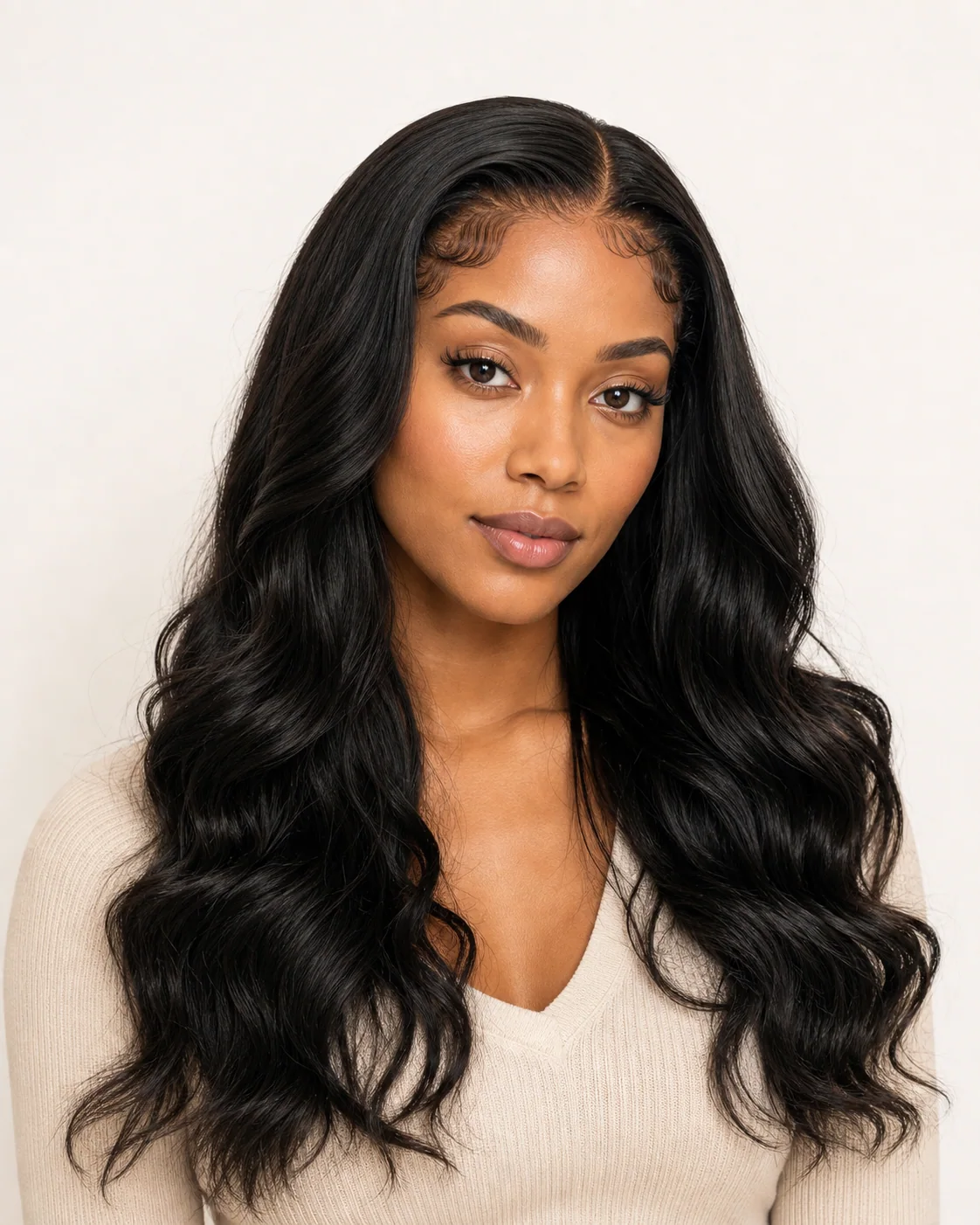
Know Why a Wig Fits Before You Buy

At a glance

A useful report explains the match, not just the score.

A Fit Report should explain why a wig is likely to fit or fail before checkout. The useful report is not one match score; it should cover hairline realism, lace tone, coverage need, comfort risk, safer alternatives, and the next Fit Plan action.

  • A score without reasons is not enough for a high-consideration wig purchase.
  • The report should separate visual attractiveness from fit, coverage, and comfort risk.
  • The report should end with a product direction, checklist, and optional stylist review.

Choose your path

A Fit Report is the buyer's reasoning layer.

This page shows how lacewig.ai turns a preview into a recommendation a shopper can actually use.

Decision asset

Try-on image

What it shows
Visual style, face frame, and first impression
What it cannot prove alone
Comfort, cap fit, density tolerance, and coverage suitability
Best next step
Generate a Fit Report
Decision asset

Fit Report

What it shows
Scores, risk flags, reasons, and safer alternatives
What it cannot prove alone
Final SKU availability, price, and fulfillment timing
Best next step
Create a Fit Plan
Decision asset

Stylist review

What it shows
Human judgment for edge cases and sensitive needs
What it cannot prove alone
Instant self-service checkout speed
Best next step
Use when confidence is low

How it works

Turn a visual preview into a buying decision.

The Fit Report is the bridge between curiosity and checkout. It should explain what the preview shows, what might go wrong, and what the shopper should do next.

Next step

Move from explanation to a buying checklist.

The Fit Report should end in a concrete plan: recommended direction, risk checks, and the minimum information needed before payment.

01Summarize the scores

Hairline, lace tone, coverage, and comfort should be separated.

02Flag the objection

Show the one reason the shopper should pause before checkout.

03Choose the handoff

Send the shopper to Fit Plan, no-photo route, or stylist review.

What the report should score

The report should separate visual appeal from actual buying risk. A style can look attractive while still being wrong for hairline realism, lace tone, coverage, or comfort.

  • Hairline realism: front density, lace edge, and face-frame balance
  • Lace tone: skin tone, undertone, and lighting risk
  • Coverage need: crown volume, part-line widening, or full hairline replacement
  • Comfort fit: cap size, scalp sensitivity, tension, and daily routine

Why risk flags matter

A strong report should tell the shopper what may go wrong before payment. That is what makes the AI flow more useful than a beauty filter.

  • Warn when blonde tone may clash with cool undertones
  • Explain when a topper is wrong for full perimeter coverage
  • Route sensitive-scalp users toward lower-tension options
  • Offer a safer alternative instead of forcing one product choice

How it connects to a Fit Plan

The report becomes useful when it turns into a product-handle recommendation, readiness checklist, and follow-up path.

  • Recommended product handle for catalog and checkout mapping
  • Estimated price band and fulfillment path
  • Checklist for cap size, lace tone, comfort, and routine
  • Optional stylist review when confidence needs human support

Before you choose

The report should reduce false confidence.

A strong Fit Report earns trust by telling shoppers what might go wrong, not just why a look is attractive.

Score risk

A high score can hide a weak reason.

Every match score should be tied to hairline, lace tone, coverage, or comfort evidence.

Use-case risk

Fashion and hair loss needs are not the same.

A dramatic style may be right for beauty browsing and wrong for daily discreet coverage.

Action risk

A report without a next step loses revenue.

The page should always hand the shopper to Fit Plan, no-photo route, or stylist review.

Need to know

Common Questions

Is a Wig Fit Report the same as virtual try-on?

No. Virtual try-on shows a look. A Fit Report explains whether that look is likely to work, which risks to check, and what safer alternative may fit better.

Can a Fit Report reduce wig returns?

It can support return reduction by catching wrong-style risk before checkout, especially lace mismatch, coverage mismatch, cap comfort, and unrealistic density.

What should happen after a Fit Report?

The shopper should receive a Fit Plan with a product direction, readiness checklist, and optional stylist review before payment.

Why is a written explanation important for wig shoppers?

Wig purchases have fit, color, comfort, and emotional risk. A written explanation helps the shopper understand what the AI is confident about and what still needs human or checklist review.